
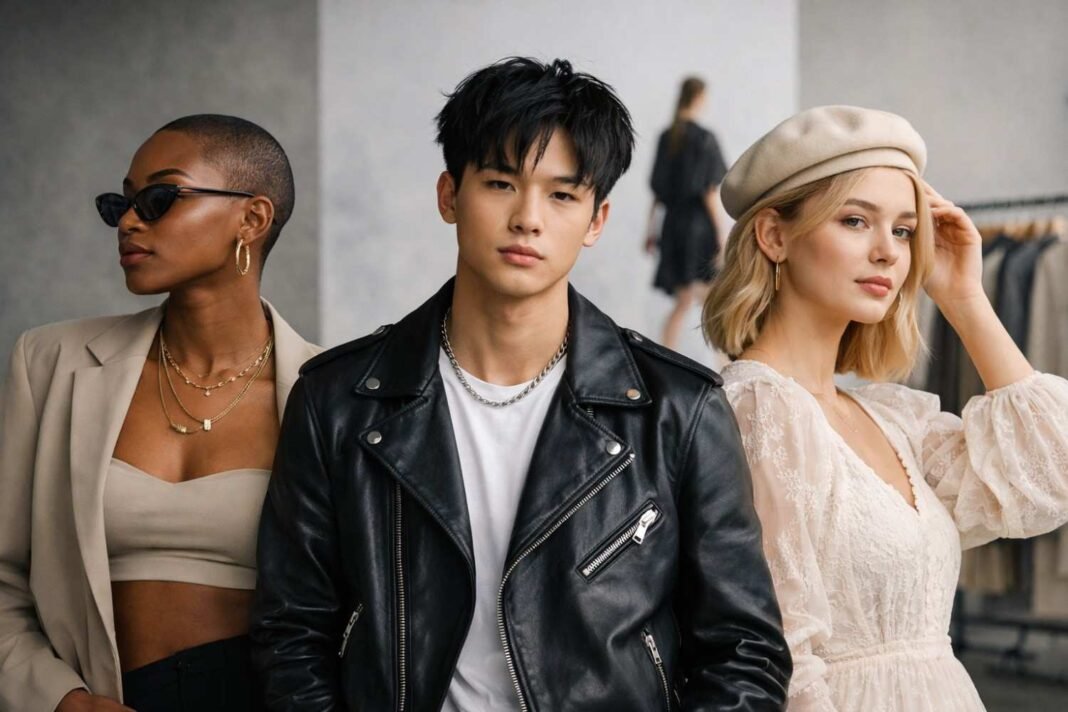

Fashion has never been just about clothes. It’s a language, a signal, a quiet rebellion—and sometimes a loud one. In today’s hyper-connected world, style sits at the crossroads of identity, culture, and evolving trends, shaping how we see ourselves and how others see us. This is the modern Style Edit: a living conversation between who we are and what we wear.
In this deep dive, we explore how fashion functions as identity, how trends are born (and die), and why personal style matters more now than ever.
Fashion as Identity: More Than Fabric and Fit
What you wear tells a story before you speak.
Fashion is one of the most immediate ways people express identity—whether consciously or not. From gender expression and cultural heritage to profession, values, and mood, clothing becomes a wearable autobiography.
How Style Reflects Identity
- Cultural roots: Traditional patterns, textiles, and silhouettes often resurface in modern wardrobes as a way of staying connected to heritage.
- Gender fluidity: Contemporary fashion increasingly rejects rigid binaries, allowing individuals to define style on their own terms.
- Subcultures and communities: Streetwear, punk, minimalism, cottagecore—each style movement signals belonging as much as aesthetic taste.
- Personal evolution: As people grow, their style often matures with them, reflecting new priorities and self-awareness.
In this way, fashion is less about “keeping up” and more about showing up as yourself.
The Evolution of Trends: Why Some Stick and Others Fade
Trends move faster than ever, but not all trends are created equal.
Social media, digital fashion weeks, and influencer culture have shortened the trend cycle, turning what once lasted seasons into moments. Yet, certain trends endure because they resonate beyond aesthetics.
What Drives Modern Fashion Trends?
- Cultural shifts: Social movements, political climates, and generational values influence what feels relevant.
- Technology: From AI-assisted design to virtual try-ons and digital garments, tech is reshaping how trends emerge.
- Nostalgia: Y2K, ’90s minimalism, and vintage revivals thrive because familiarity feels comforting in uncertain times.
- Sustainability awareness: Consumers now question not just what they wear, but how it was made.
Trends that align with real-world values tend to outlast those driven purely by hype.
Personal Style vs. Trend Culture: Finding the Balance
There’s a quiet shift happening: people are moving away from trend-chasing and toward style curation.
Personal style doesn’t ignore trends—it edits them.
How to Build a Style Edit That Feels Authentic
- Start with staples: Well-fitting basics create a foundation that trends can rotate around.
- Choose selectively: Not every trend deserves space in your wardrobe.
- Dress for your lifestyle: Style should serve your daily reality, not fight it.
- Trust repetition: Rewearing outfits isn’t a failure—it’s confidence.
True style isn’t loud. It’s consistent.
Fashion as a Mirror of Society
Every era’s fashion reflects what people value—or what they’re pushing against.
- Oversized silhouettes echo a desire for comfort and ease.
- Quiet luxury reflects a shift away from visible logos toward subtle craftsmanship.
- Experimental fashion speaks to a generation questioning norms and rewriting rules.
In this sense, fashion becomes a visual archive of social change.
Sustainability, Ethics, and the New Definition of “Cool”
Today’s Style Edit can’t ignore responsibility.
Fast fashion’s environmental cost has changed how people perceive value. Increasingly, style credibility comes from intentional choices, not overflowing closets.
The Rise of Conscious Fashion
- Thrifting and resale as mainstream habits
- Supporting local or independent designers
- Investing in fewer, better-quality pieces
- Transparency in sourcing and production
Looking good and doing good are no longer separate conversations.
The Future of Style: Where Fashion Is Headed Next
Fashion’s future is less about rules and more about freedom.
We’re entering an era where:
- Personal style outweighs seasonal dictates.
- Digital and physical fashion coexist.
- Identity-driven dressing becomes the norm.
- Individual storytelling replaces mass uniformity.
The next big trend? Authenticity.
Final Thoughts: Defining Your Own Style Edit
The modern Style Edit isn’t about copying looks or chasing algorithms. It’s about understanding the relationship between fashion, identity, and trends—and choosing what aligns with who you are right now.
Style is not static. Neither are you.
Edit wisely.