
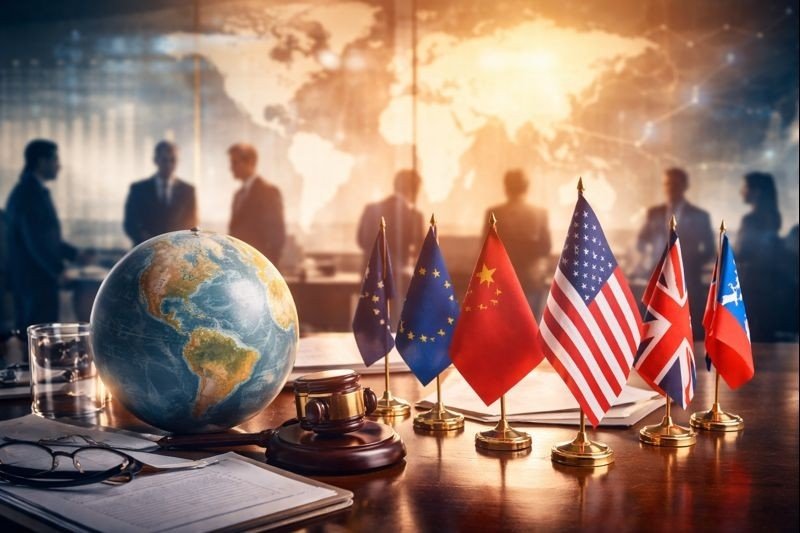

Politics is not just a contest of ideologies or election cycles—it is the continuous series of decisions that quietly and dramatically shape the destiny of nations. From economic reforms and foreign policy shifts to constitutional amendments and crisis management, each political choice sends ripples through societies, markets, and generations.
This is the political pulse: the rhythm of governance that determines how nations rise, adapt, or falter.
In this article, we explore how political decisions are made, why they matter, and how their consequences extend far beyond headlines—shaping national identity, global influence, and the everyday lives of citizens.
Understanding the Political Pulse
At its core, the political pulse reflects the health and direction of a nation’s leadership. It is influenced by:
- Public opinion and voter behavior
- Institutional frameworks and constitutions
- Economic pressures and global markets
- Security threats and diplomatic relations
- Cultural values and historical context
When governments respond effectively to these forces, stability and growth often follow. When they don’t, unrest, stagnation, or decline can take hold.
Decisions That Redefine Economies
Economic policymaking is one of the most powerful tools in a government’s arsenal. Choices around taxation, public spending, trade agreements, and regulation can determine whether an economy thrives or struggles.
Key Economic Decisions That Shape Nations
- Fiscal policy: Government spending on infrastructure, healthcare, and education can fuel long-term growth—or balloon national debt.
- Monetary alignment: Coordination (or conflict) between political leaders and central banks influences inflation, employment, and investor confidence.
- Trade strategy: Opening markets can accelerate growth, while protectionism may safeguard domestic industries but raise consumer costs.
History shows that economic decisions made during moments of crisis—recessions, pandemics, or financial collapses—often define a nation’s trajectory for decades.
Foreign Policy: Power Beyond Borders
Foreign policy decisions extend a nation’s influence beyond its borders and shape global order. Alliances, sanctions, military interventions, and diplomatic negotiations all carry long-lasting consequences.
A single decision—entering a treaty, exiting an agreement, or recognizing a foreign government—can:
- Shift regional power balances.
- Affect global trade routes.
- Trigger conflict or prevent war.
- Redefine a country’s international reputation.
In an interconnected world, foreign policy is no longer distant from domestic life. Energy prices, migration flows, cybersecurity, and climate commitments are all influenced by decisions made on the global stage.
Law, Governance, and Democratic Integrity
Political decisions also define how power is exercised internally. Constitutional changes, judicial appointments, and electoral reforms determine the strength of democratic institutions.
Strong governance is marked by:
- Transparent decision-making
- Independent courts and free media
- Accountability mechanisms
- Respect for civil liberties
When these principles are weakened, political trust erodes. When they are reinforced, nations become more resilient—even in times of polarization or crisis.
Crisis Leadership: Moments That Test Nations
Crises reveal the true political pulse of a nation. Wars, natural disasters, public health emergencies, and economic shocks force leaders to make rapid, high-stakes decisions.
Effective crisis decisions tend to share common traits:
- Clear communication
- Evidence-based policy
- Coordination across institutions
- Willingness to adapt as conditions change
Poor crisis management, on the other hand, can permanently damage public trust and national stability.
The Influence of Citizens on Political Results
While leaders make decisions, citizens influence the political pulse through participation. Voting, civic engagement, public debate, and peaceful protest all shape the environment in which decisions are made.
Informed citizens:
- Hold leaders accountable
- Influence policy priorities
- Strengthen democratic legitimacy
In this sense, political decisions are never made in isolation—they reflect the collective pressures, expectations, and values of society.
Why Political Decisions Matter More Than Ever
In today’s world, political decisions move faster and carry broader consequences than ever before. Globalization, digital media, and technological change mean that a single policy choice can affect millions almost instantly.
Understanding the political pulse helps citizens, businesses, and institutions:
- Anticipate change
- Reduce uncertainty
- Engage more thoughtfully in public life.
Politics is no longer something that happens “somewhere else.” It shapes currencies, careers, climate outcomes, and personal freedoms.
Conclusion: Reading the Political Pulse of the Future
The story of every nation is written through its political decisions. Some are bold and transformative, others cautious and incremental, but all leave a mark.
By paying attention to the political pulse, we gain insight into where nations are heading, what challenges lie ahead, and how collective choices can build more stable, just, and resilient societies.
In the end, the decisions that shape nations are not just about power—they are about people, priorities, and the future we choose to create.