
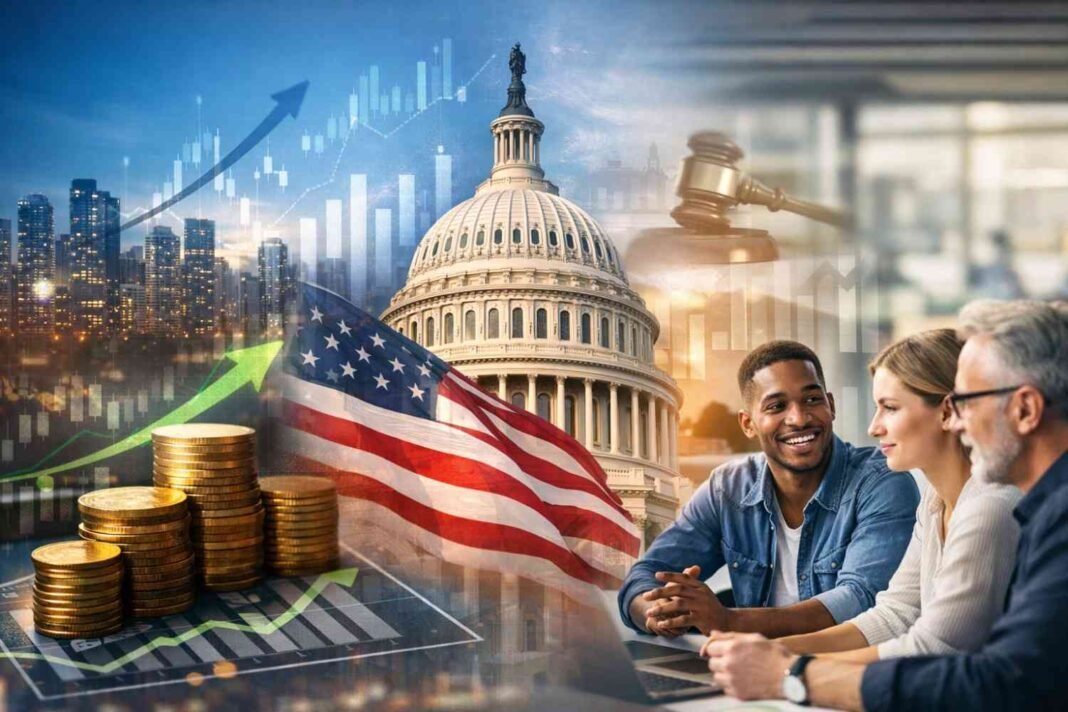

Money isn’t just about numbers on a balance sheet. It shapes decisions in boardrooms, influences government policies, and quietly affects the everyday lives of millions of people. Money Matters: Profits, Policies & People is more than a financial theme—it’s a lens through which we can understand how wealth is created, regulated, and distributed across society.
In today’s interconnected world, profits can no longer be viewed in isolation. Policies influence markets, and people ultimately determine whether economic systems succeed or fail. This article explores how these three forces intersect—and why understanding their relationship matters now more than ever.
Profits: More Than Just the Bottom Line
For decades, profit was treated as the single most important measure of business success. While profitability remains essential, modern economics has expanded the definition of what “success” truly means.
The Evolution of Profit Thinking
Today’s businesses operate in an environment shaped by:
- Global competition
- Technological disruption
- Heightened social awareness
- Investor demand for transparency
As a result, companies are increasingly balancing financial performance with long-term sustainability. Profit is no longer just about revenue minus expenses—it reflects efficiency, innovation, trust, and resilience.
Sustainable Profits Win in the Long Run
Short-term gains may impress shareholders temporarily, but sustainable profits come from:
- Ethical supply chains
- Fair labor practices
- Responsible pricing strategies
- Investment in employee growth
Consumers and investors alike are paying closer attention. Businesses that align profit goals with social responsibility tend to outperform over time, not despite ethics—but because of them.
Policies: The Rules That Shape the Economy
Economic policies act as the invisible framework guiding how money flows. From interest rates to tax structures, policies influence everything from startup growth to household spending.
Government Policies and Market Behavior
Key policy areas that directly impact profits include:
- Monetary policy (interest rates, inflation control)
- Fiscal policy (taxation, public spending)
- Trade regulations and tariffs
- Labor and employment laws
When policies are clear and consistent, businesses can plan confidently. When they’re unpredictable, uncertainty spreads—often slowing investment and innovation.
Policy Decisions Affect Real People
Behind every policy decision are real consequences:
- A tax incentive can spark job creation.
- A regulatory change can protect workers—or burden small businesses.
- A housing policy can determine affordability for generations.
Understanding Money Matters: Profits, Policies & People means recognizing that policies are never abstract. They shape daily life, career opportunities, and financial security.
People: The Most Overlooked Economic Force
People are often discussed as “consumers” or “labor,” but that oversimplification misses the point. People are decision-makers, innovators, voters, and risk-takers.
The Human Side of Economics
Every economic system relies on:
- Worker motivation
- Consumer confidence
- Entrepreneurial courage
- Public trust
When people feel financially secure, economies grow. When uncertainty dominates, spending slows, productivity drops, and social tension rises.
Financial Literacy Changes Everything
One of the most powerful drivers of economic stability is financial understanding. People who understand money tend to:
- Make better long-term decisions.
- Avoid excessive debt
- Invest more confidently
- Adapt faster to economic change.
By bridging the gap between intricate financial systems and common knowledge, people are empowered, and the economy as a whole is strengthened.
Where Profits, Policies, and People Intersect
The most successful economies are those that balance all three elements:
- Profits provide incentives and innovation.
- Policies create fairness and structure.
- People give the system purpose and momentum.
When one dominates at the expense of the others, problems emerge. Excessive profit-seeking without ethical policies leads to inequality. Overregulation without regard for profit stifles growth. Ignoring people altogether erodes trust—and trust is the currency every economy depends on.
Why Money Matters More Today Than Ever
Rapid technological change, global economic shifts, and social transformation have made financial awareness essential—not optional.
Understanding Money Matters: Profits, Policies & People helps:
- Business leaders make smarter strategic decisions.
- Policymakers design balanced, future-ready regulations.
- Individuals navigate uncertainty with confidence.
Money is no longer just a personal concern or a corporate metric—it’s a shared responsibility.
Final Thoughts
At its core, money tells a story. It reveals what societies value, how power is distributed, and where we’re heading next. By looking beyond spreadsheets and headlines, we uncover a deeper truth: profits fuel progress, policies guide direction, and people give meaning to it all.
When we understand how these forces connect, we’re better equipped to build economies that don’t just grow—but endure.